The Tree Collection
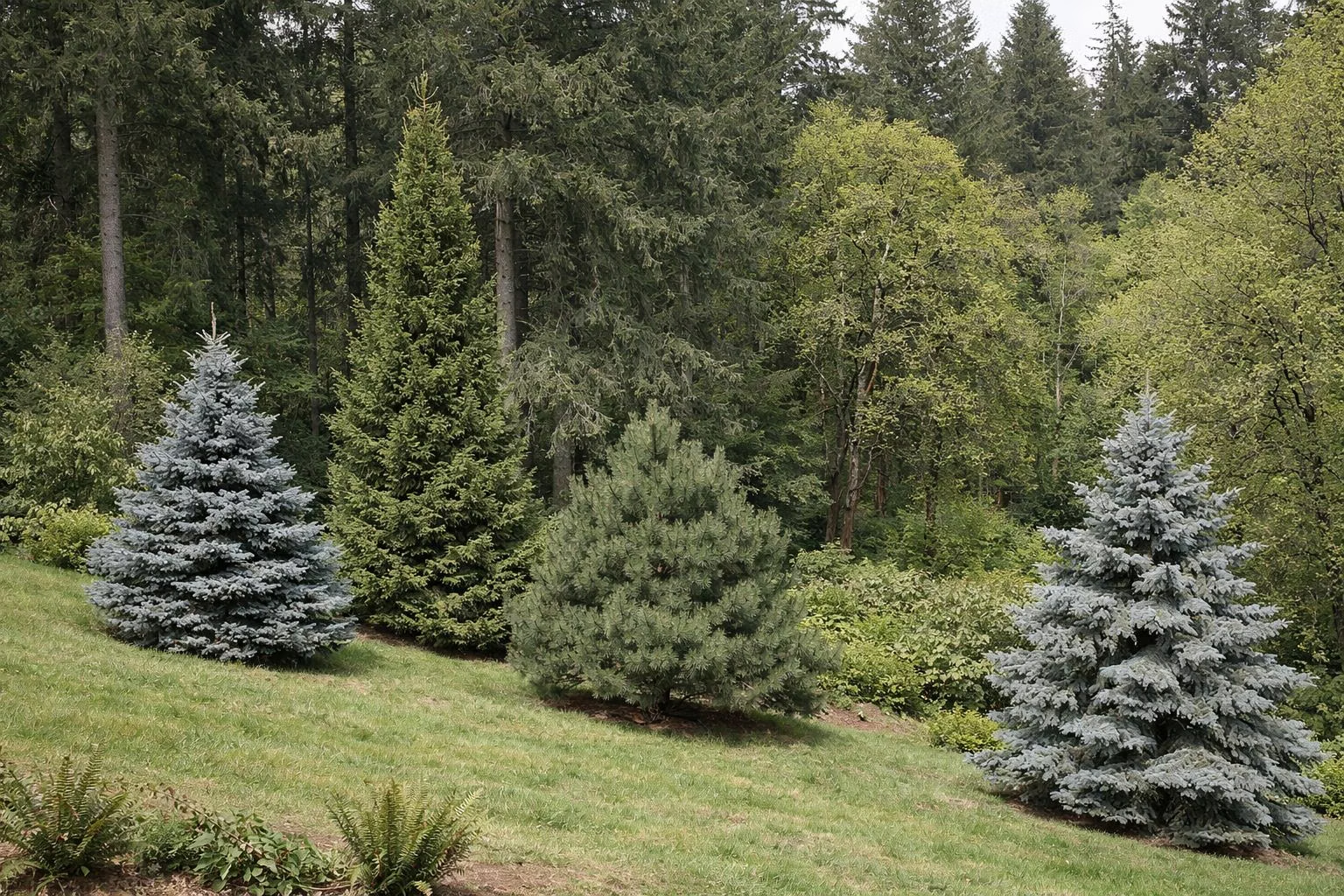
Hoyt Arboretum is Portland's museum of living trees: about 6,000 trees of more than 2,000 species from six continents, planted on ridge-top land in Washington Park. Most are grouped by plant family, so all the oaks grow together and all the redwoods together. Three collections are nationally accredited: the conifers, the maples and the magnolias. A free online plant database lets you find any tree by name and location.
The Collection at a Glance
How the Collection Is Laid Out
Most of the collection is arranged in family groups, according to Portland Parks & Recreation: all the oaks in one area, all the redwoods in another. In the 1930s, planners used SW Fairview Blvd as a dividing line: conifers on the west side, broadleaf trees on the east. That is why the trails are named after trees, from Spruce and Fir to Oak, Magnolia and Maple.
The exception is the Bristlecone Pine Trail, where trees are grouped by region of the world: Chile and South America, the Carolinas, Korea, China, Japan, the Pacific Northwest, the Siskiyous and Europe.
The Three Accredited Collections
Hoyt Arboretum Friends says the three hold the spotlight in turn through the year.
Conifers (best in summer)
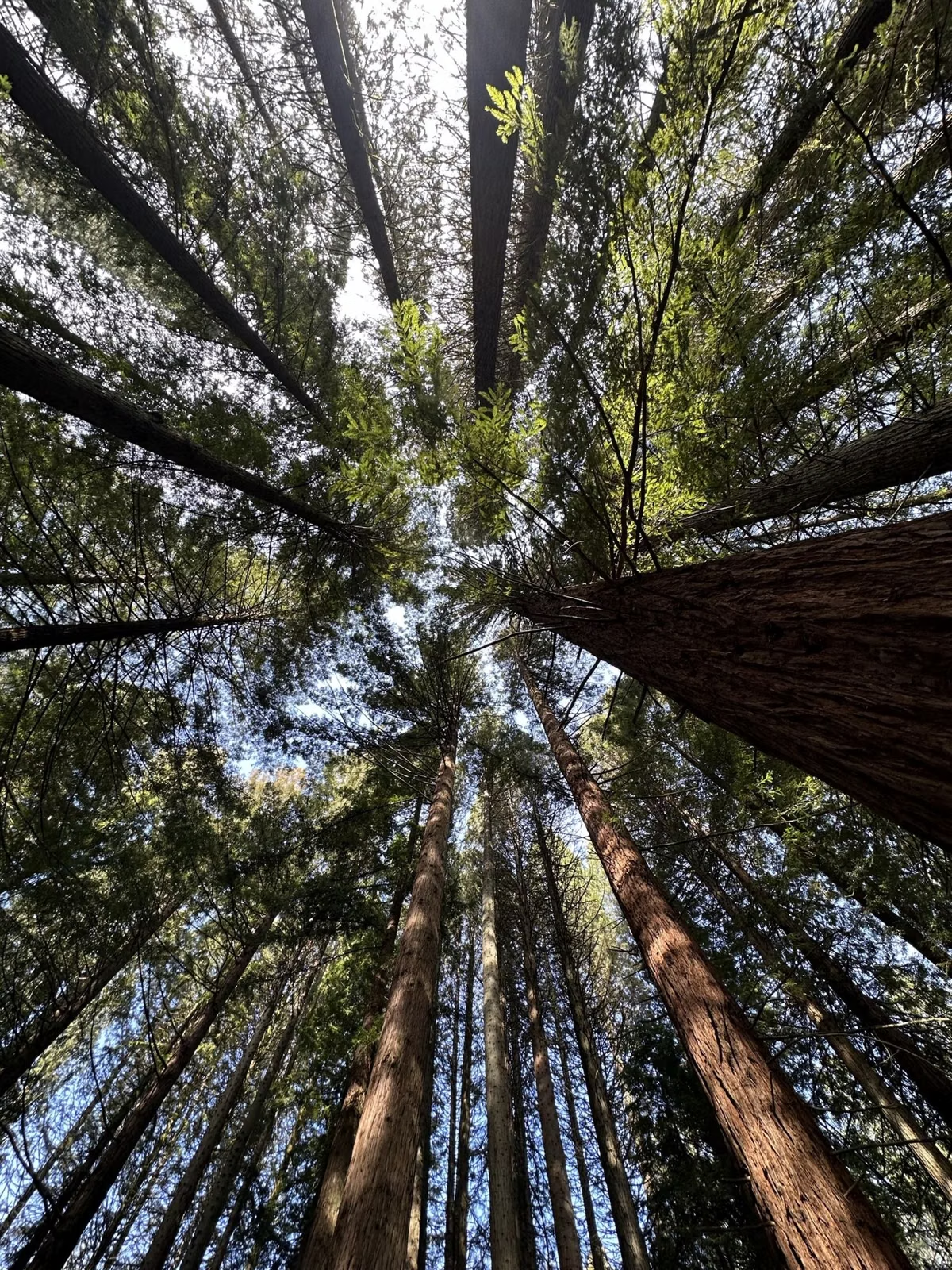
The arboretum began as a conifer arboretum. Alongside native Douglas-firs, western redcedars and hemlocks, its redwoods, spruces, pines, firs and cedars have grown tall. The collection is an American Conifer Society reference garden, and it includes the first dawn redwood to set cones in North America in 6 million years. Walk it in summer for shade and the smell of resin. See Redwood Trail and Deck.
Magnolias (best in April)
More than 60 magnolia species and cultivars grow here. Walk the Magnolia Trail in March for the big fuzzy buds, and in April, sometimes into May, for full bloom.
Maples (best in October and November)
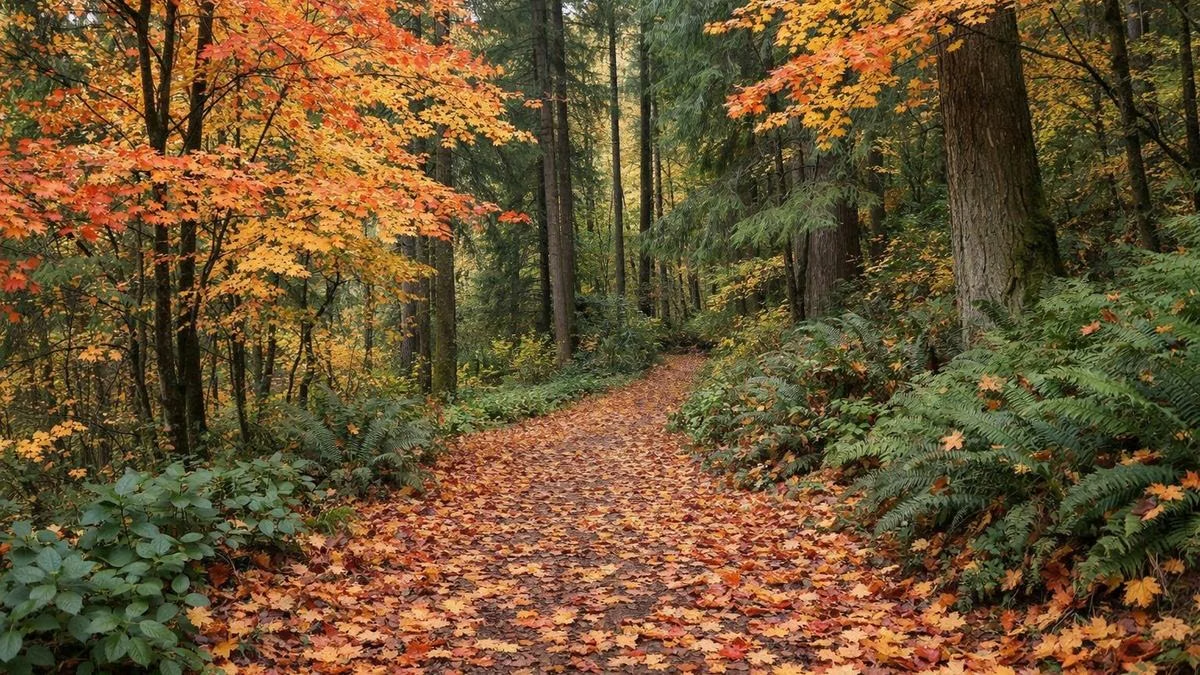
More than 90 maple species, subspecies and cultivars, most of them along the ¾-mile Maple Trail on the south side. Color usually starts in October and peaks in November. See fall colors.
Rare and Endangered Trees
Portland Parks & Recreation says the arboretum was founded in 1928 partly to conserve endangered species. Hoyt Arboretum Friends lists dozens of species in the collection as rare or endangered and is a member of Botanic Gardens Conservation International. Near the Wedding Meadow, a group nicknamed the "Jurassic Forest" holds trees from ancient lineages: China fir, dawn redwood, monkey puzzle and a Wollemi pine.
Recognition
- Maple and magnolia collections accredited by the Plant Collections Network of the American Public Gardens Association.
- Conifer collection: American Conifer Society reference garden.
- The arboretum as a whole: ArbNet Level III accredited arboretum.
Find a Tree
The Hoyt Arboretum plant database (hoytarboretum.gardenexplorer.org) is free. Search by family, genus, species or common name and it shows where each tree grows. Combine it with the trail map.
Good For
- Gardeners comparing species before planting.
- Students and tree lovers. The free public tours cover the collection.
The Tree Collection FAQ
How many trees are at Hoyt Arboretum?
About 6,000 trees and shrubs, according to Portland Parks & Recreation. Hoyt Arboretum Friends counts more than 2,300 species from six continents; the city's page gives 2,000.
What is Hoyt Arboretum known for?
Its trees from around the world grouped by family, with nationally accredited conifer, maple and magnolia collections, a redwood and sequoia grove, and the first dawn redwood to set cones in North America in 6 million years.
When do the magnolias bloom at Hoyt Arboretum?
Mostly in April, sometimes into May. Buds show on the Magnolia Trail in March.
Is there a list of trees at Hoyt Arboretum?
Yes. The free online plant database at hoytarboretum.gardenexplorer.org lists the trees and where each grows.